Gambling Relapse – What to Do If You’ve Started Gambling Again
Have you started gambling again after a period without it? A relapse can bring feelings of shame, anxiety and disappointment. But it doesn’t mean your previous progress has been lost. You can take steps towards a gambling-free life again.

What Is a Gambling Relapse?
A gambling relapse happens when someone starts gambling again after a period of abstinence. It might involve a single gambling session or a return to gambling over a longer period.
For someone who has worked hard to stop gambling, a relapse can feel like a major setback. Perhaps you’ve been gambling-free for weeks, months or even years.
Feeling disappointed is understandable. However, the time you spent without gambling still matters. You’ve gained experience, knowledge and coping skills that you can draw on as you move forward.
Why Do Gambling Relapses Happen?
Relapse can happen for many reasons. Often, it’s linked to a combination of emotions, thoughts, situations and familiar habits.
Stress and Anxiety
When life feels overwhelming, gambling may seem like a way to escape difficult thoughts and worries for a while.
Difficult Emotions
Sadness, loneliness, frustration or emptiness can trigger the urge to return to familiar ways of coping.
Financial Pressure
Debts or previous gambling losses can lead to thoughts of winning money back by gambling again.
Old Habits
Certain times, places or activities may be strongly associated with previous gambling behaviour.
Gambling Advertising and Access
Advertising, gambling apps and conversations about gambling can trigger urges even after a long period without gambling.
Feeling Back in Control
After some time without gambling, you might start believing that you can gamble occasionally without losing control.
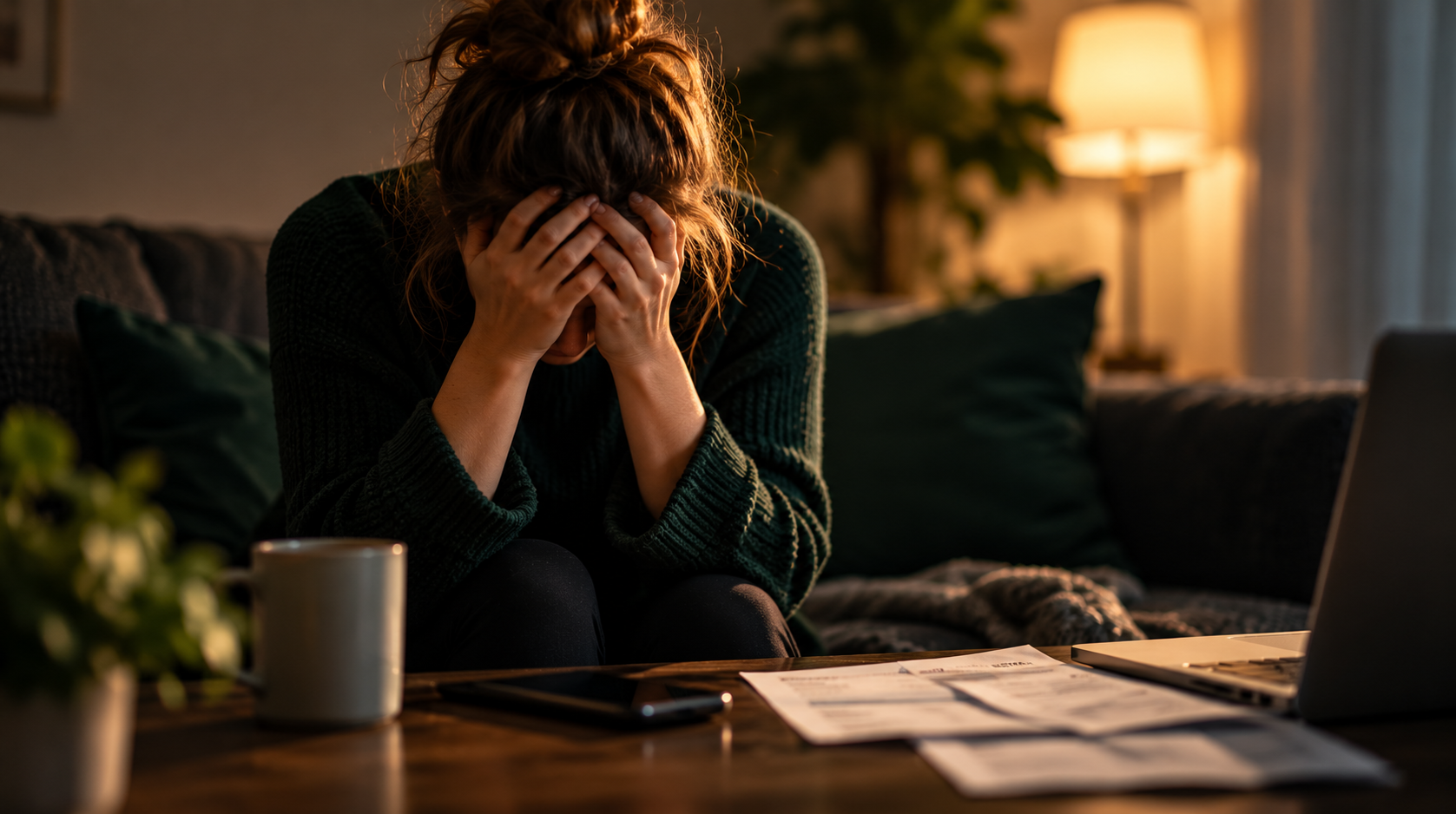
What Should You Do Immediately After a Gambling Relapse?
If you’ve started gambling again, you don’t have to solve everything at once. Start by taking practical steps to stop gambling and reduce the risk of further losses.
Stop Gambling
Close the game and step away. Don’t try to win back the money you’ve lost. Chasing losses can make the situation worse.
Block Access to Gambling
Use a self-exclusion service available in your country to restrict access to gambling operators. Delete gambling apps and remove saved login details. If you’re in Sweden, you can use Spelpaus.
Tell Someone You Trust
Talking about a relapse can be difficult, especially if you’re feeling guilty or ashamed. But support from someone you trust can make a real difference.
Protect Your Finances
Avoid taking out new loans or credit to fund gambling. Consider practical ways to protect your money and seek free debt advice if you need it.
Reflect on What Happened
Try to identify the feelings, thoughts or situations that came before the relapse. Writing them down may help you recognise patterns.
Make a Plan for the Next 24 Hours
Decide what you’ll do if gambling urges return. Choose specific activities and people you can contact. Take things one step at a time.
How Can You Deal with Guilt and Shame After a Relapse?
Many people experience guilt, shame and disappointment after returning to gambling. It can be difficult to know how to move forward.

Take Responsibility Without Judging Yourself
Taking responsibility for what happened doesn’t mean you have to be harsh or overly critical of yourself.
Try to separate what you’ve done from who you are. A relapse doesn’t define your worth as a person.
Focus on What You Can Learn
Think about what worked during your previous gambling-free period.
Which routines helped you? Which situations did you avoid? What could help you feel more protected in the future?
How Can You Prevent Another Gambling Relapse?
Preventing relapse isn’t only about resisting gambling urges. It’s also about building a daily life with coping strategies, support and practical safeguards.
Recognise Warning Signs
Notice when you’re thinking more about gambling, looking at gambling content or experiencing stronger urges.
Build New Routines
Make time for activities that bring relaxation, connection and meaning without involving gambling.
Create a Protection Plan
Decide in advance what you’ll do when gambling urges become strong and who you can contact for support.
Limit Access to Gambling
Use self-exclusion, blocking tools and other practical safeguards to reduce the risk of impulsive decisions.
Look After Your Wellbeing
Stress, anxiety and low mood can affect gambling urges. Make space for sleep, rest and support from others.
Seek Help When Needed
If you’re finding it difficult to stop gambling on your own, professional support and treatment are available.

Make It Harder to Gamble Again
When gambling urges are strong, it can be difficult to think about long-term consequences. That’s why it’s helpful to put safeguards in place when you’re feeling more stable.
- Register with a self-exclusion service available in your country.
- Delete gambling apps, bookmarks and saved login details.
- Reduce exposure to gambling advertising and related content.
- Consider ways to limit easy access to money that could be used for gambling.
- Write down the situations that create the greatest risk for you.
- Decide who you can contact when gambling urges become strong.
- Seek professional support if you’re struggling to stop gambling.
Can You Become Gambling-Free Again After a Relapse?
Yes. A relapse doesn’t have to mean returning to long-term gambling.
Change can take time, and you may need new strategies, support from others or professional treatment.
Try to remember what helped you during your previous gambling-free period. You don’t have to start from scratch when it comes to your experience and what you’ve learnt.
If you’d like to learn more about creating a gambling-free life, read our guide on how to stop gambling .
Beyond Gambling – Support for a Gambling-Free Life
Beyond Gambling is a self-help app designed for people who want to stop gambling and build healthier habits.
The app includes several tools that may be helpful when you’re trying to move forward after a relapse.
Urge SOS
Support when gambling urges feel overwhelming and you need help to pause and refocus.
Journal
Write down thoughts, feelings and situations to better understand your own patterns.
Protection Plan
Prepare for situations where the risk of gambling may be higher.
Wellbeing
Track how you’re feeling and reflect on your wellbeing over time.
Finances
Keep track of money saved by not gambling and set financial goals.
Daily Challenges
Take small, practical steps towards building healthier habits and routines.
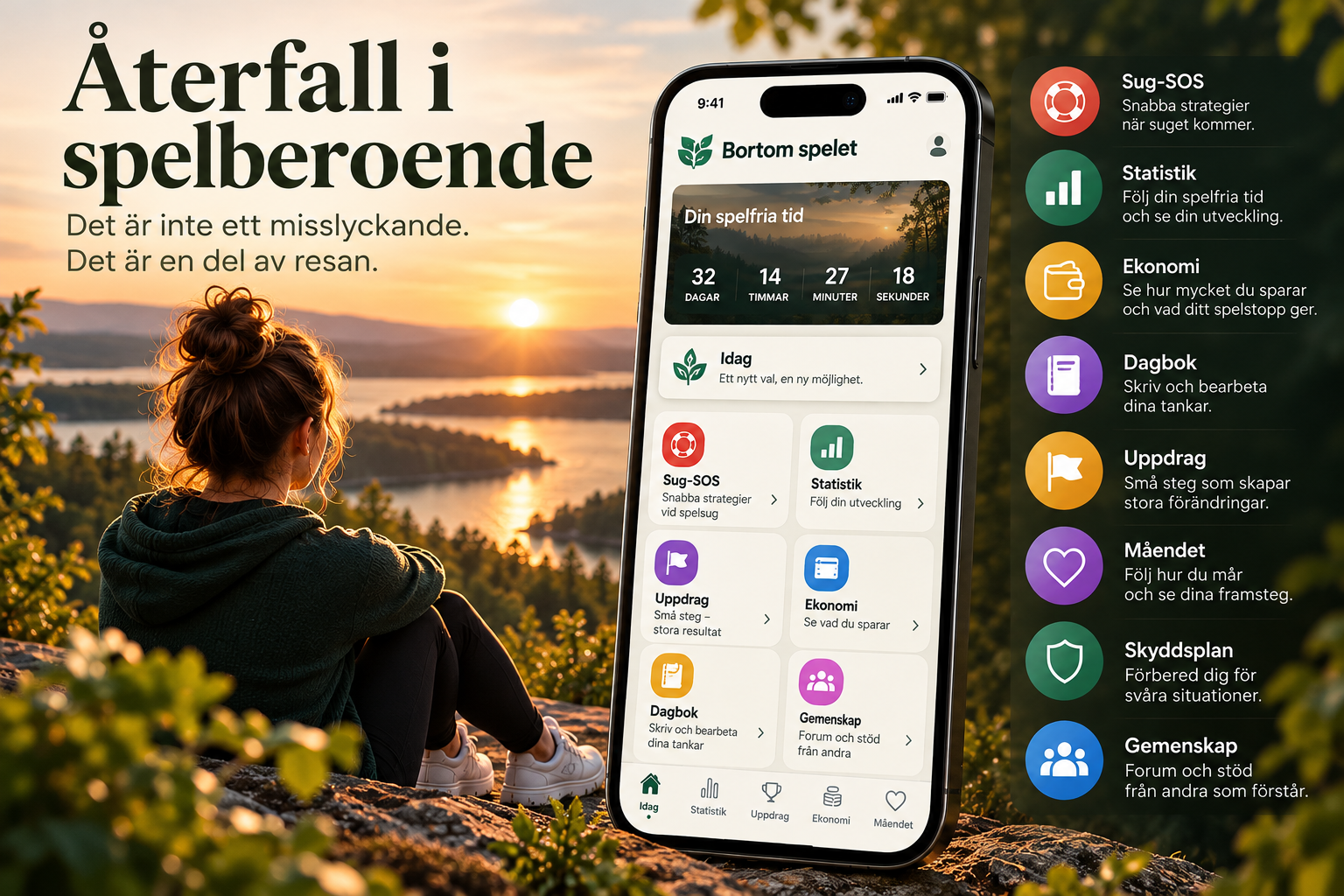
Illustrative image. The app’s actual interface may differ.
Where Can You Get Help After a Gambling Relapse?
If you’re struggling to stop gambling or experiencing repeated relapses, support is available.
Depending on where you live, you may be able to access specialist gambling support services, counselling or professional treatment.
In the United Kingdom, you can contact the National Gambling Helpline through GamCare for information and support.
In Sweden, you can contact Stödlinjen for advice and support with gambling-related problems.
You can also speak to your GP, a mental health professional or a local addiction service about treatment options.
If gambling has caused financial difficulties, consider contacting a free, independent debt advice service in your country.
If you or someone else is in immediate danger, contact your local emergency services.
Common Questions About Gambling Relapse
Is gambling relapse common?
Relapse can occur during recovery from gambling addiction, although not everyone experiences it. Stress, old habits and access to gambling may increase the risk. Support and prevention strategies can help.
Have I failed if I’ve started gambling again?
No. A relapse doesn’t erase the progress you’ve made. It’s important to take what happened seriously and consider what support you may need.
What should I do if I’ve lost money again?
Avoid trying to win the money back through more gambling. Stop gambling, protect your finances and reach out to someone you trust.
Can I stop gambling again after a relapse?
Yes. A relapse doesn’t mean you have to continue gambling. You can draw on what helped you before and seek additional support if needed.
Should I tell my family I’ve started gambling again?
Speaking with someone you feel safe with may help you access support. If that feels too difficult, you could start by talking to a professional.
Is treatment available for gambling addiction?
Yes. Treatments for gambling addiction include cognitive behavioural therapy (CBT). Speak with a healthcare professional to discuss suitable options.
Learn More About Gambling Addiction and Recovery
Explore more guides to help you understand gambling addiction and find strategies for a gambling-free life.
You Can Take a New Step Towards a Gambling-Free Life Today
A relapse doesn’t have to define your future. Beyond Gambling brings together tools for managing gambling urges, finances, wellbeing, motivation and building new habits.
Download on the App StoreBeyond Gambling is a self-help tool and does not replace professional healthcare or treatment.